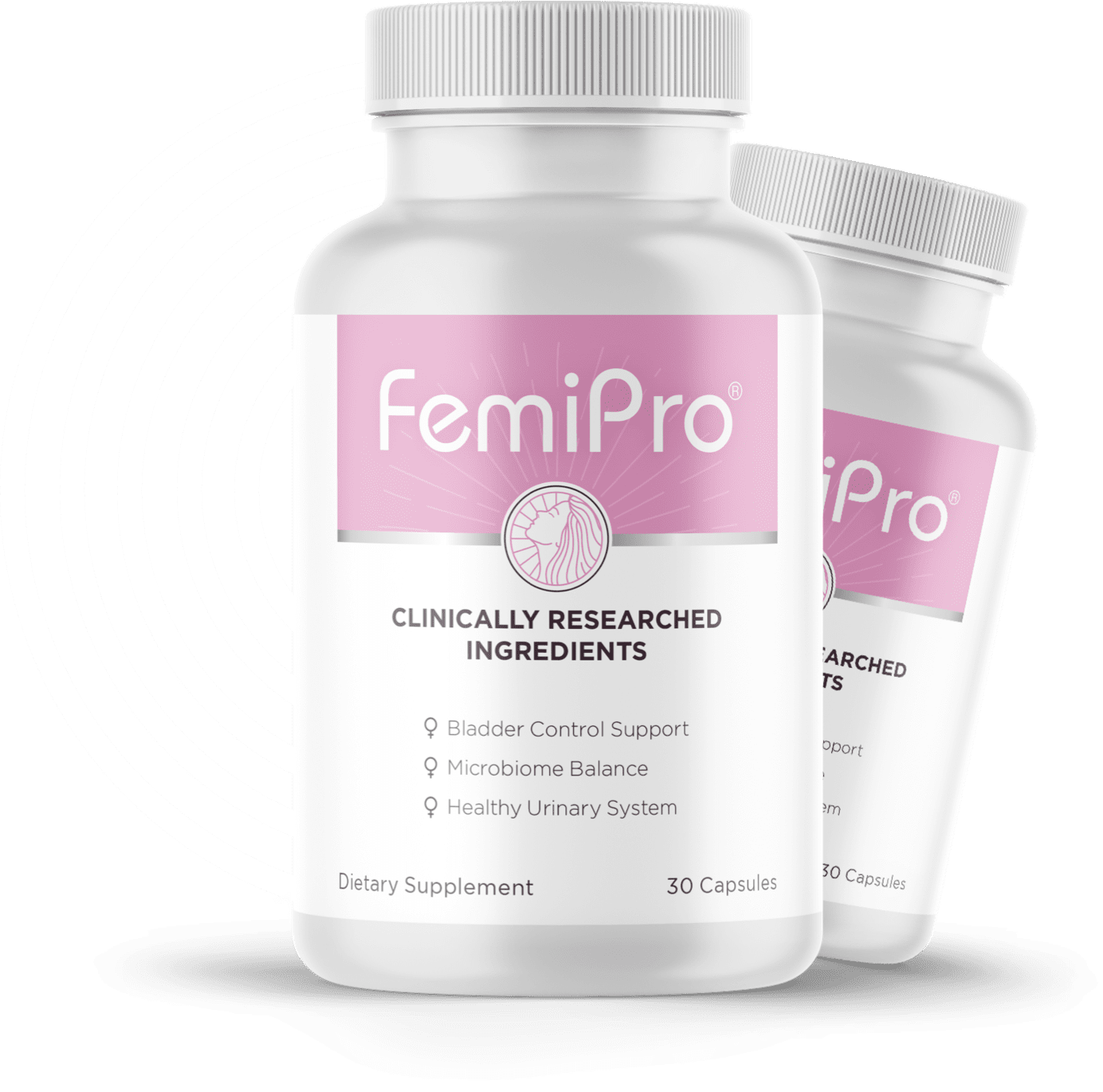
FemiPro vs BetterWOMAN: Probiotic-Botanical vs 20-Herb Formula
Compare FemiPro and BetterWOMAN by formula design, evidence positioning, dosing considerations and current purchase terms.
FemiPro and BetterWOMAN are both marketed toward women seeking bladder/urinary support, but they represent very different supplement philosophies.
| Feature | FemiPro | Competitor |
|---|---|---|
| Formula style | Botanicals + probiotics | 20-herb Traditional Chinese Medicine-inspired proprietary formula |
| Key ingredients | Cranberry, bearberry, mimosa, berberine, probiotic blend | Includes ginseng, astragalus, dong quai, rehmannia, epimedium and other herbs |
| Suggested use | 1 capsule/day per merchant | Follow BetterWOMAN label/merchant directions |
| Price snapshot | Check live offer | Official BetterWOMAN page listed $54.99 one-time on Sep 25, 2026 |
| Research positioning | Ingredient-level rationale; no finished-product RCT found in merchant materials reviewed | Brand cites a clinical study of the complete formula |
BetterWOMAN has a broader herb list
The official product page describes a proprietary blend of 20 natural herbs and positions the finished formula around urinary frequency, urgency and occasional leakage support. The brand also points to a study of the complete product. BetterWOMAN official
Why more ingredients is not automatically better
A larger ingredient list may broaden the formula concept, but it also creates more variables for interactions, tolerability and dose interpretation. Conversely, FemiPro’s inclusion of probiotics creates its own questions about strain identity and viable dose.
What to compare beyond the marketing
Look at medication compatibility, allergen/dietary fit, number of daily capsules, refund terms and whether the study population resembles you. If bladder symptoms are new, worsening or accompanied by pain, infection signs or blood, prioritize evaluation over supplement experimentation.